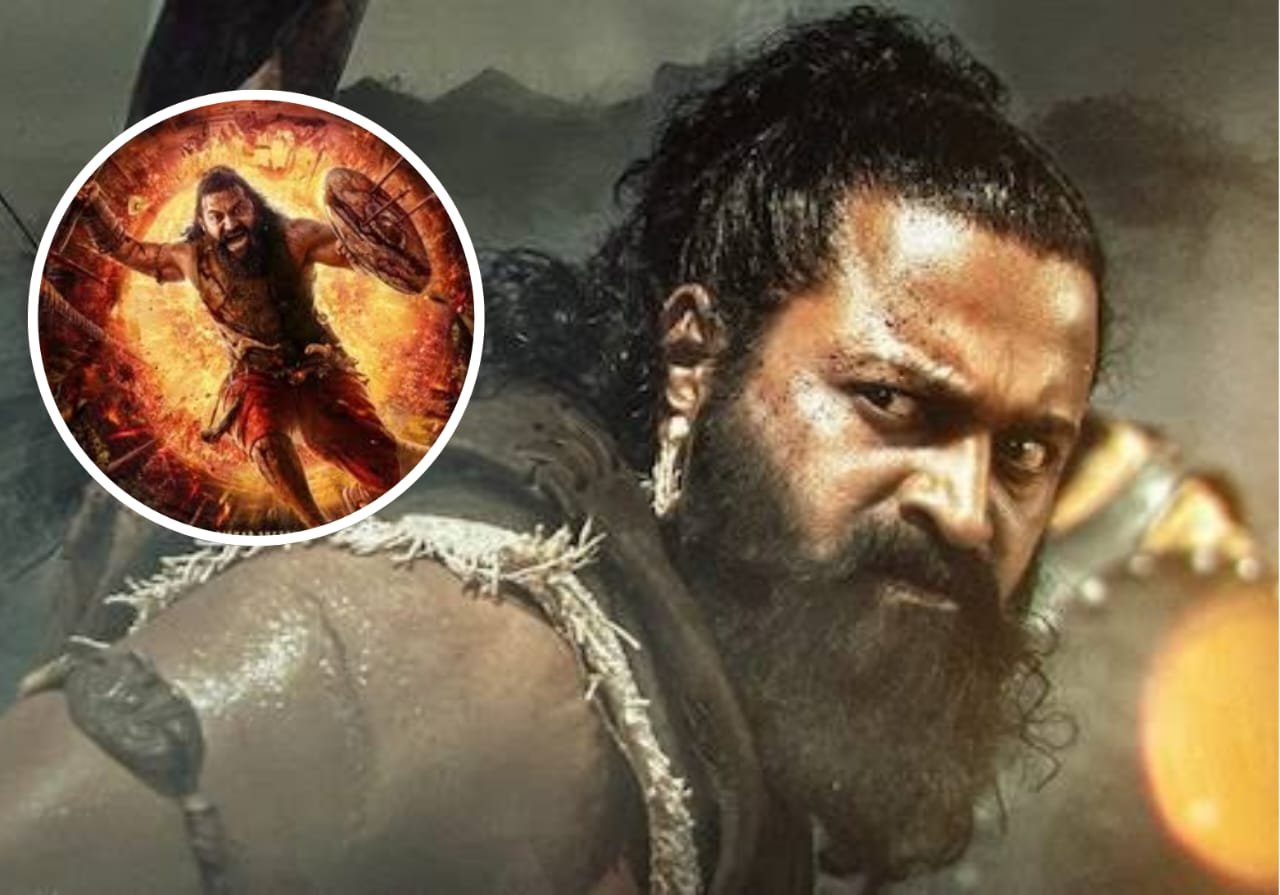
Kantara Chapter 1 brings back the soul of Indian folklore and faith with even more intensity and depth than before. The film takes audiences on a journey that connects spirituality, human emotion, and nature. It is not just a movie but an experience that pulls you into the heart of Indian traditions. The director, Rishab Shetty, has once again proved that storytelling rooted in culture can touch global hearts when presented with honesty and power.
The film serves as a prequel to the blockbuster Kantara and explores the origin of the divine connection between man and god. The story travels back several centuries to show how beliefs were born and how the relationship between humans and deities shaped the community’s way of life. It focuses on the first chosen guardian of the divine spirit and how his journey became the foundation of everything that followed in the later story.
Visually, Kantara Chapter 1 is stunning. The cinematography captures breathtaking views of forests, rivers, and traditional festivals. Every frame feels alive, soaked in natural light and cultural beauty. The use of fire, colors, and slow-motion adds to the film’s mystical appeal. You can sense the sacred energy in every scene, from rituals to emotional confrontations.
Rishab Shetty, who also plays the lead, delivers a performance full of passion and control. He becomes the character with such intensity that it feels real. His expressions during the ritual scenes are especially moving. You can feel his struggle between duty, belief, and humanity. The supporting cast also gives powerful performances, bringing authenticity to every dialogue and emotion.
The music of Kantara Chapter 1 is another masterpiece. The background score feels spiritual, often blending tribal beats with emotional melodies. Each song connects deeply with the story, enhancing the film’s impact. The sound design deserves special mention — it creates an atmosphere where even silence speaks loudly.
The screenplay is rich and layered. It balances drama, devotion, and suspense. There are moments of stillness that make you reflect and intense sequences that make your heart race. The film never feels exaggerated; instead, it flows like a story passed down through generations. The writing gives every scene meaning, and the dialogues feel natural and rooted in tradition.
What makes Kantara Chapter 1 different is its emotional depth. It’s not just about gods or rituals but about the human connection with faith. It explores fear, devotion, sacrifice, and power. The story also shows the conflict between tradition and desire, making it relevant even in today’s world. It questions whether true belief comes from fear or love a theme that stays with you long after the film ends.
Technically, the movie stands tall. The camera movements are smooth, the visual effects are minimal but effective, and the editing keeps the pace engaging. The final act is visually breathtaking, combining emotion and action perfectly. The rituals shown in the climax are intense and spiritually charged, leaving audiences with goosebumps.
If the first Kantara was about the clash between man and nature, Chapter 1 is about the beginning of that divine bond. It shows why faith and tradition became so powerful in the first place. The film is more spiritual than commercial, more soulful than glamorous. It gives Indian cinema another proud example of storytelling that respects roots while reaching global standards.
Kantara Chapter 1 deserves a solid 4.5 out of 5 stars. It is emotional, powerful, and beautifully made. It respects culture without turning it into a lecture. The film is not just entertainment — it is a reminder of the unseen connection between humans and the divine. Rishab Shetty once again delivers cinema that speaks from the heart and stays in the mind for a long time.